
OPERA on the MAINSTAGE
music by Franz Lehár
libretto by Viktor Léon & Leo Stein
English lyrics by Sheldon Harnick
English dialogue by Grant Preisser
Friday | April 24, 2026 at 7:30 p.m.
Sunday | April 26, 2026 at 2 p.m.
STEINMETZ HALL
Dr. Phillips Center for the Performing Arts
generously supported by Kathleen Miller
Sung in English with dialogue in English.
Supertitles in English and Spanish.
Estimated run time of two hours and twenty minutes with one intermission.
Age advisory: PG

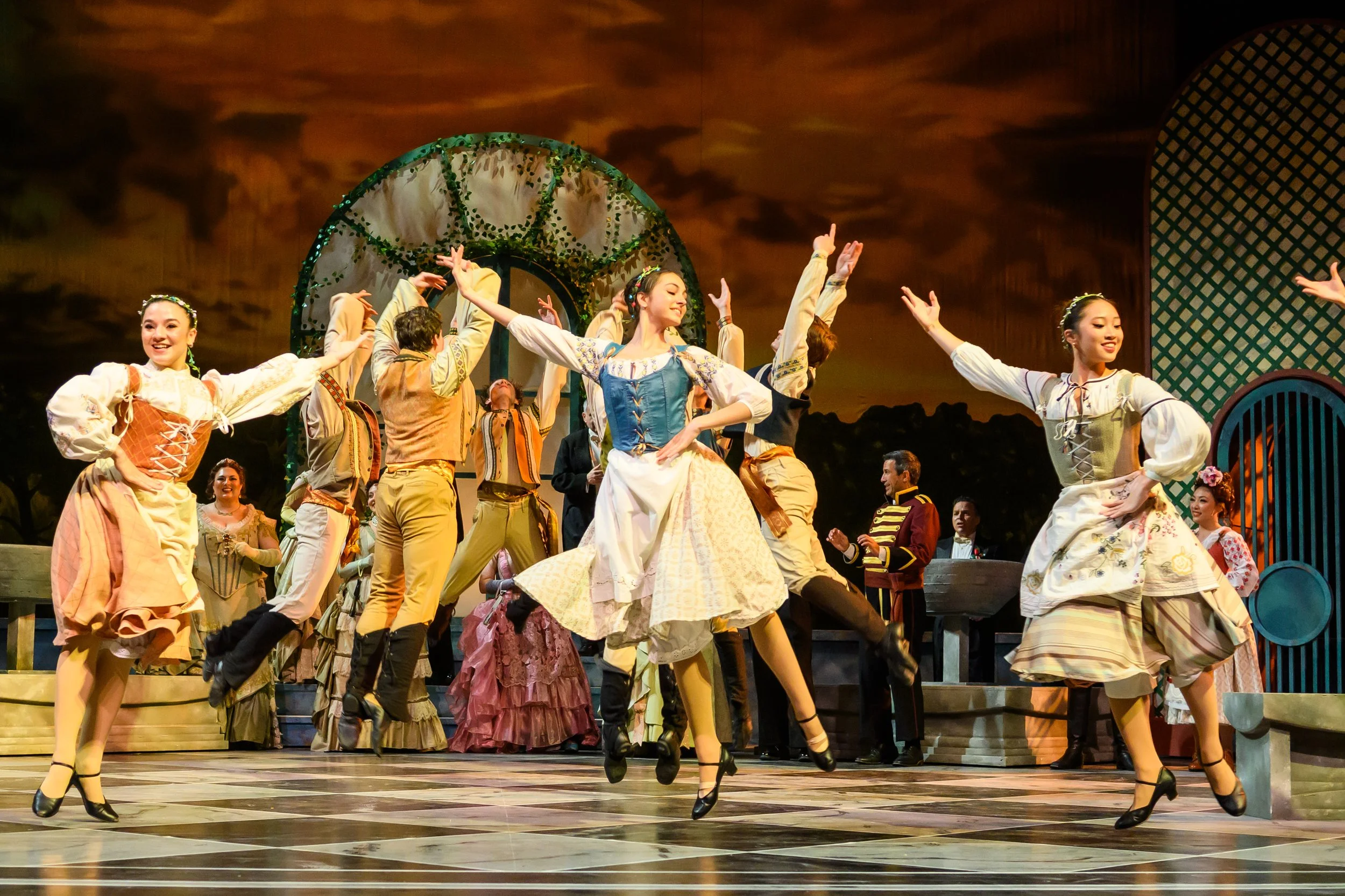
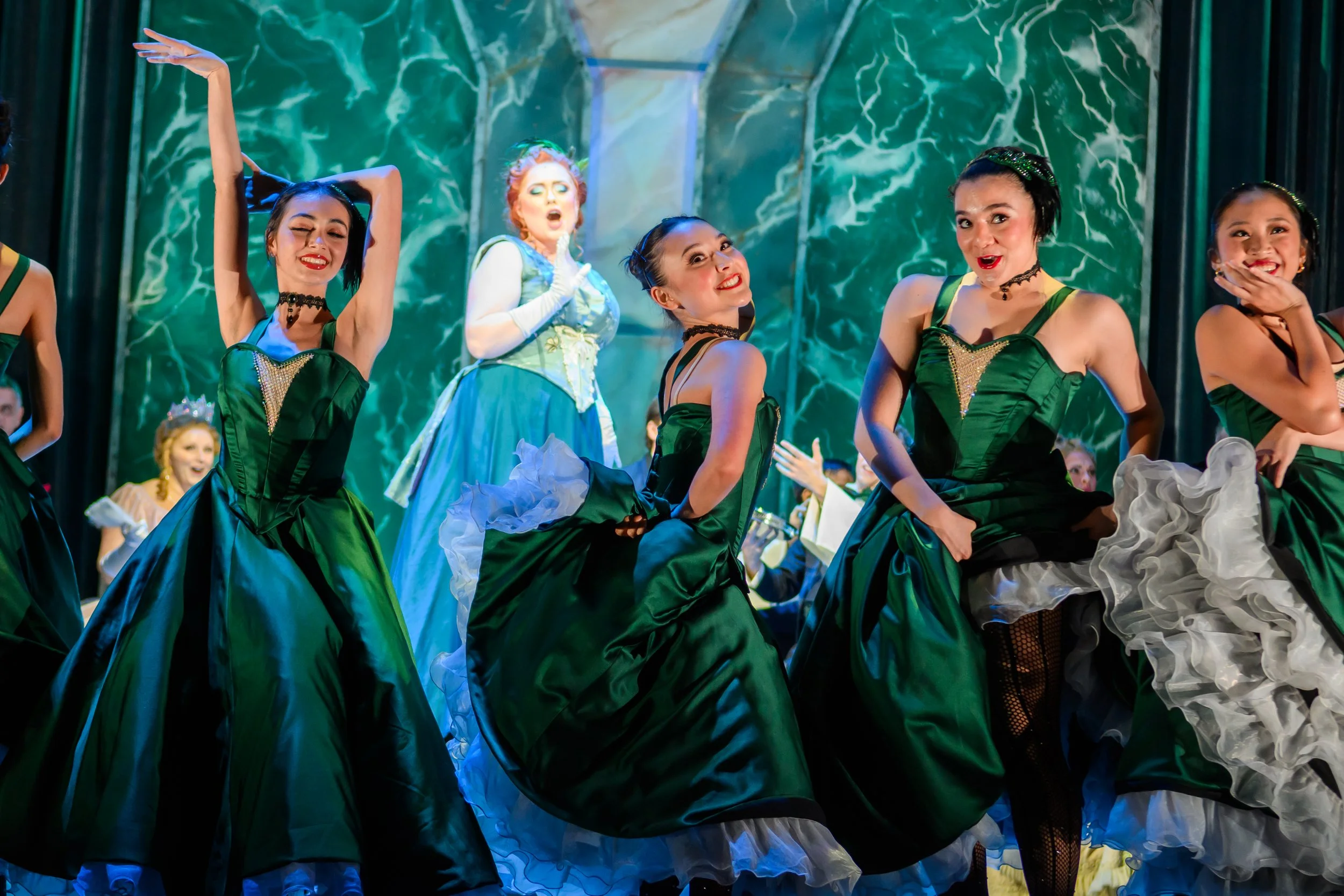
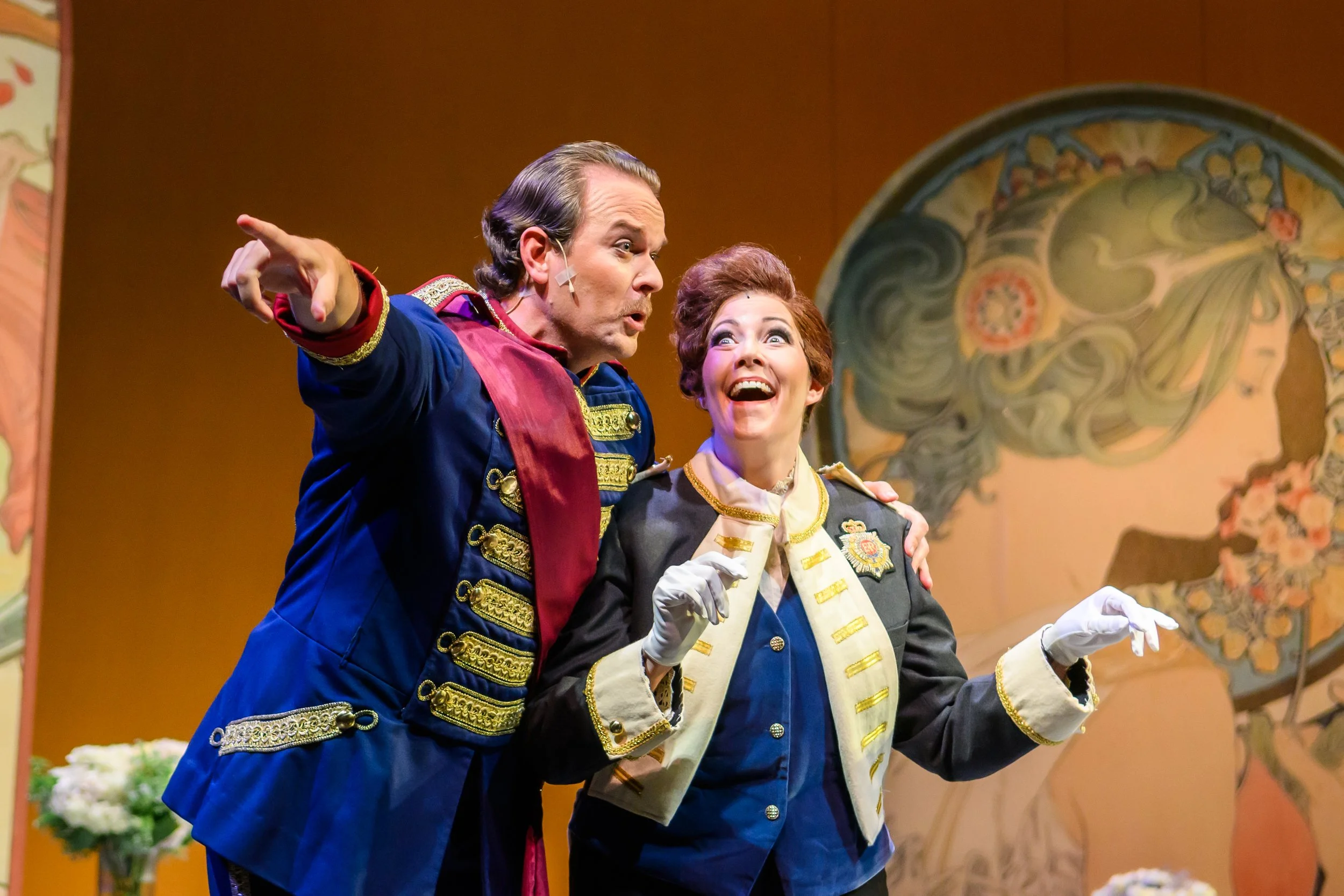
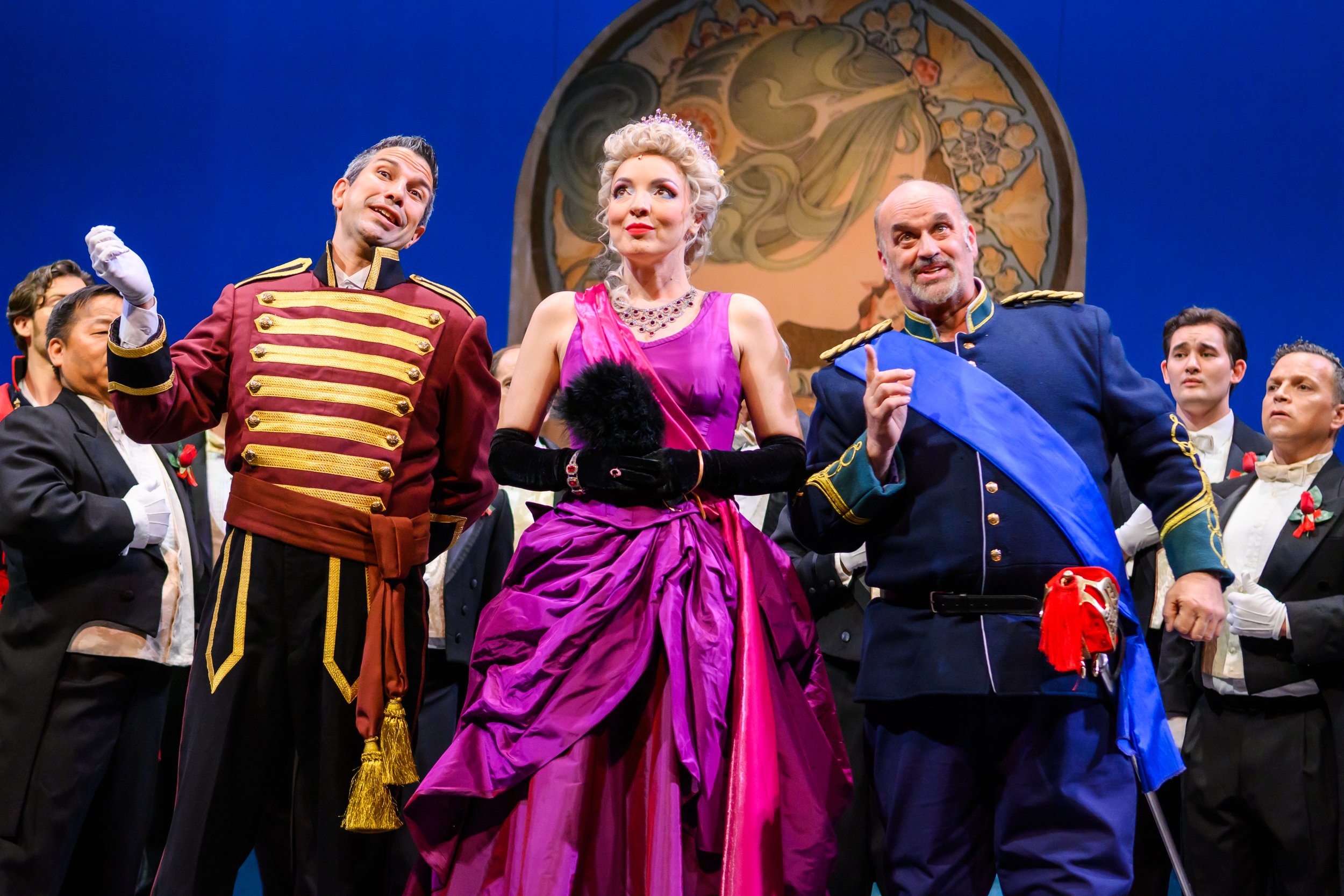
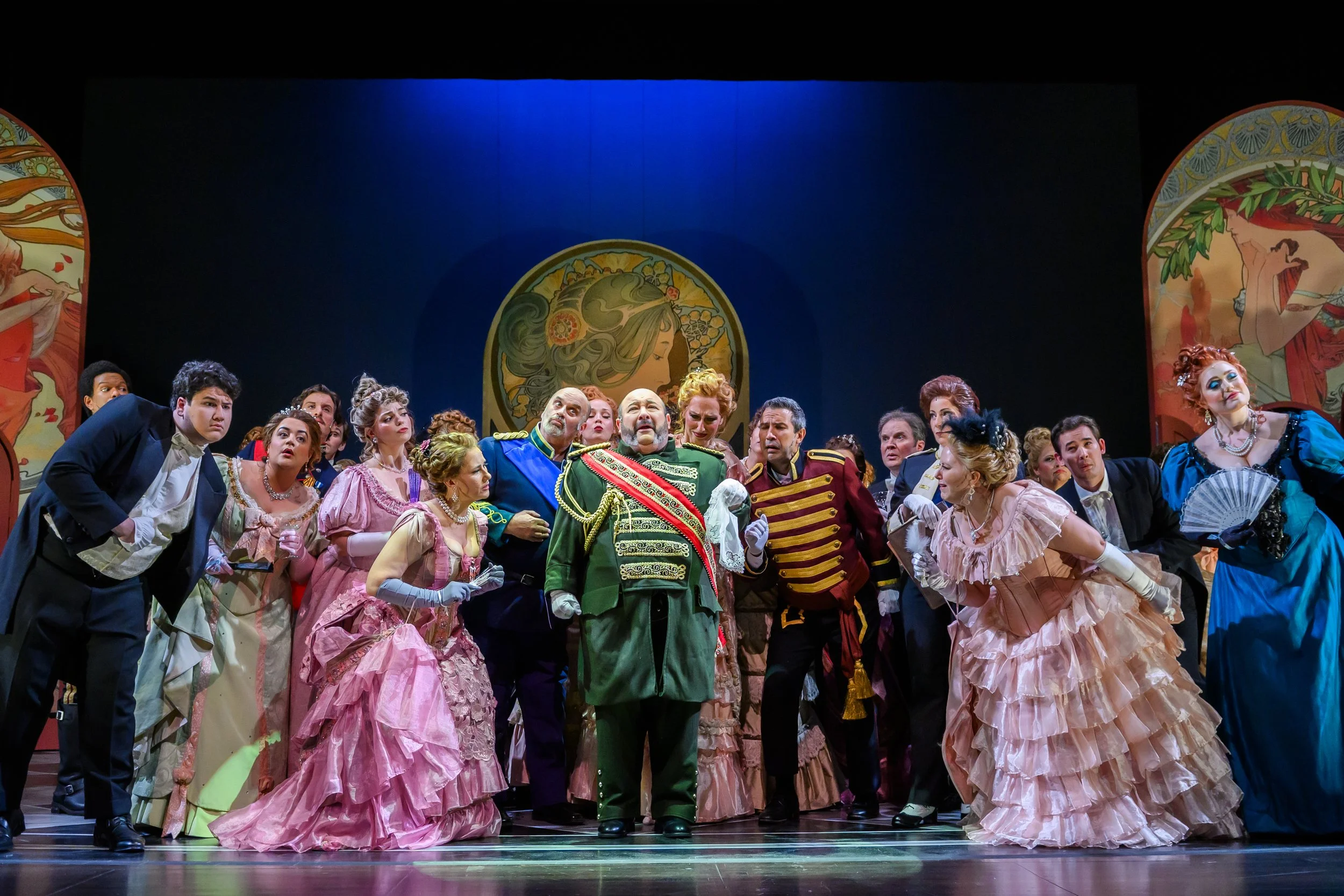
Opera Orlando presents Franz Lehár’s effervescent operetta The Merry Widow in an original production featuring dancers from the Orlando Ballet with the Orlando Philharmonic Orchestra in the pit led by conductor Noam Aviel.
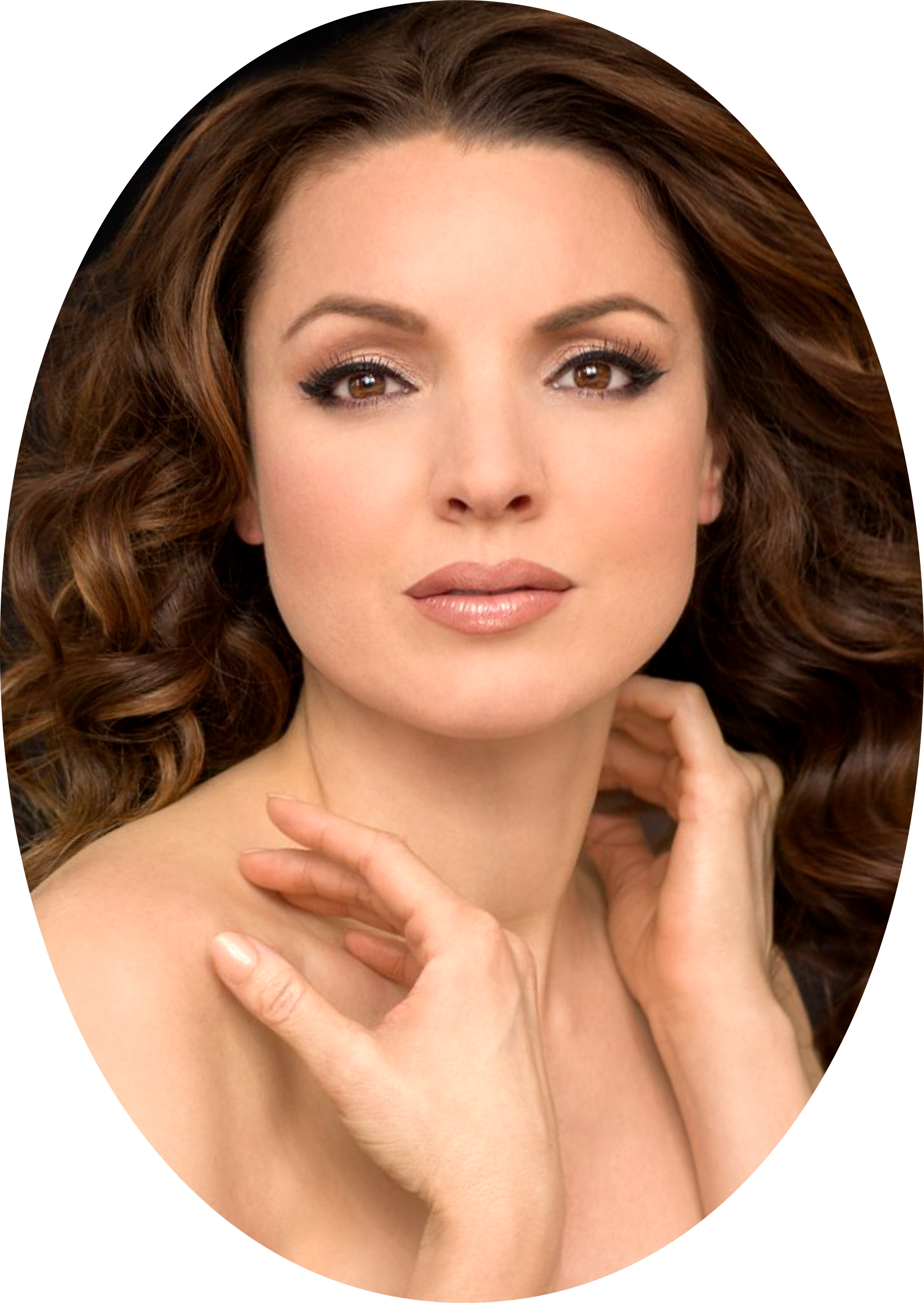
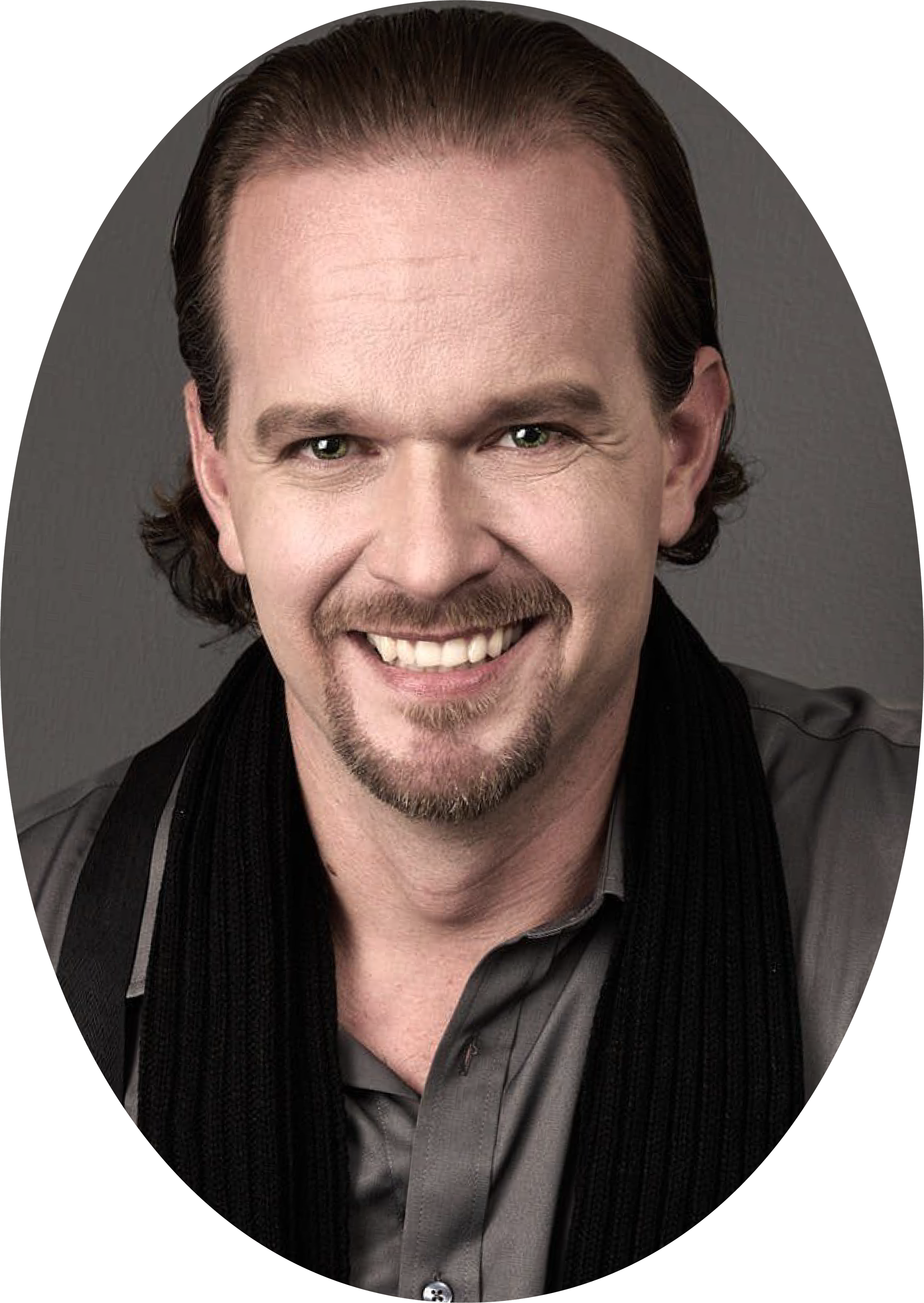
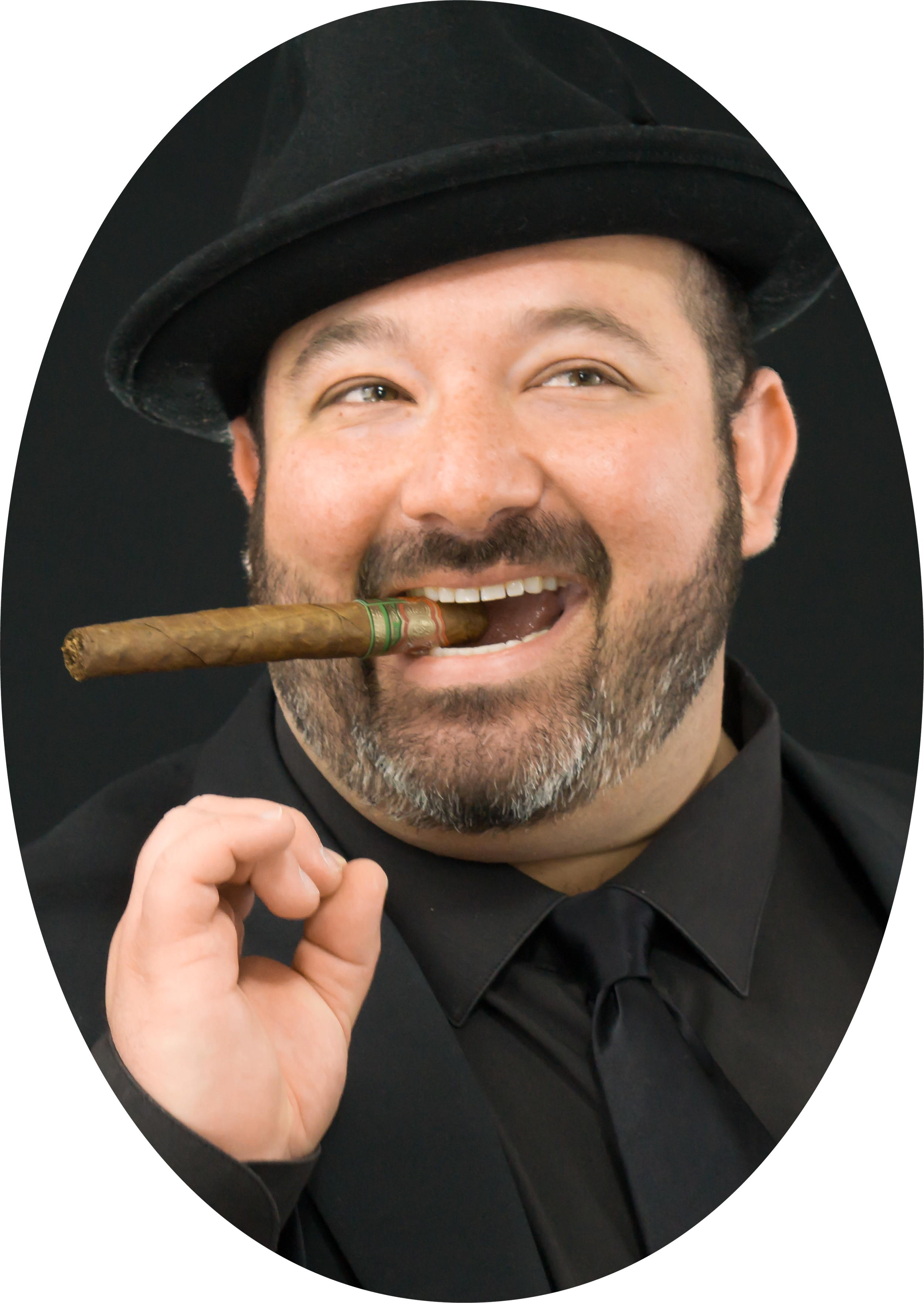
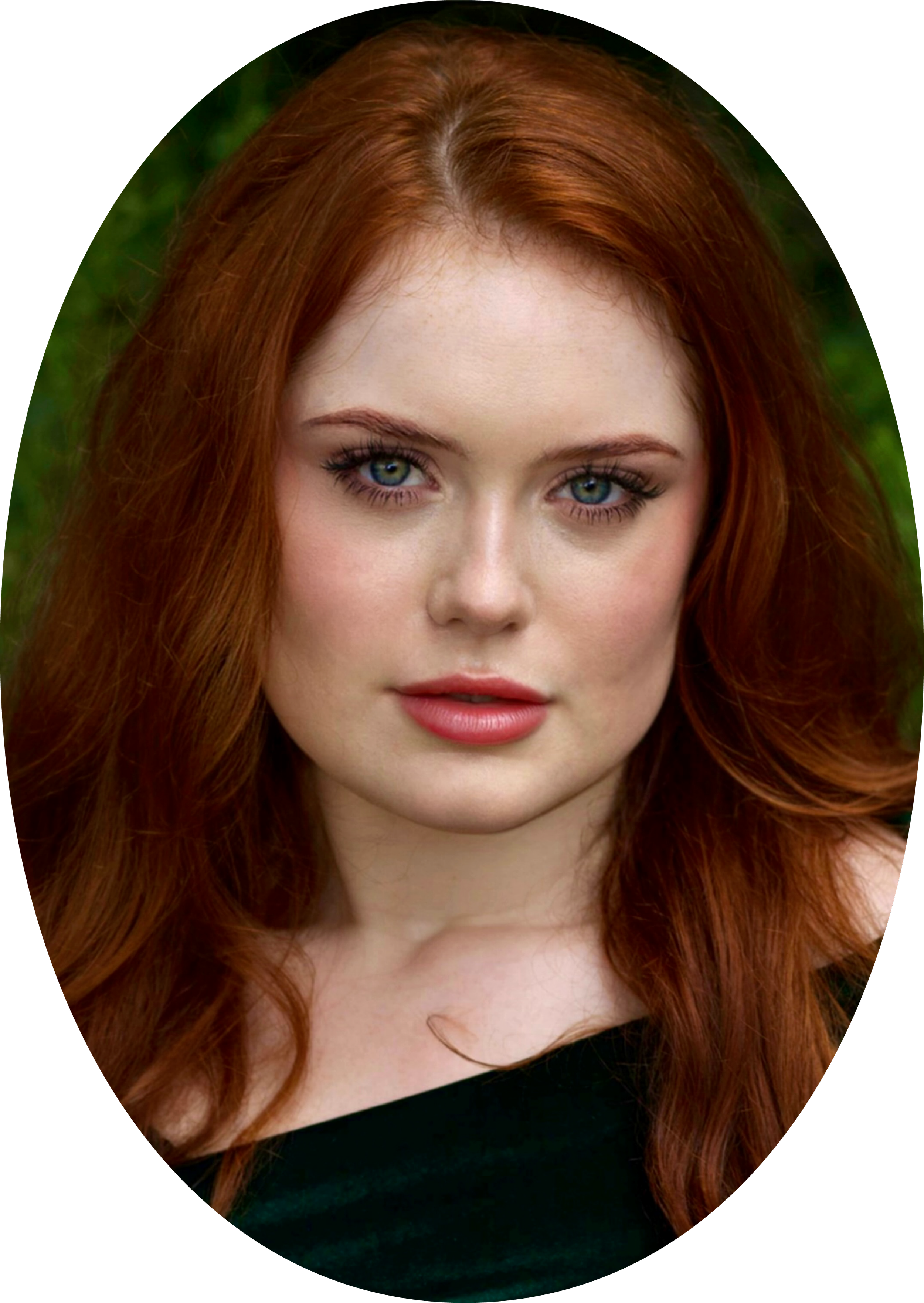
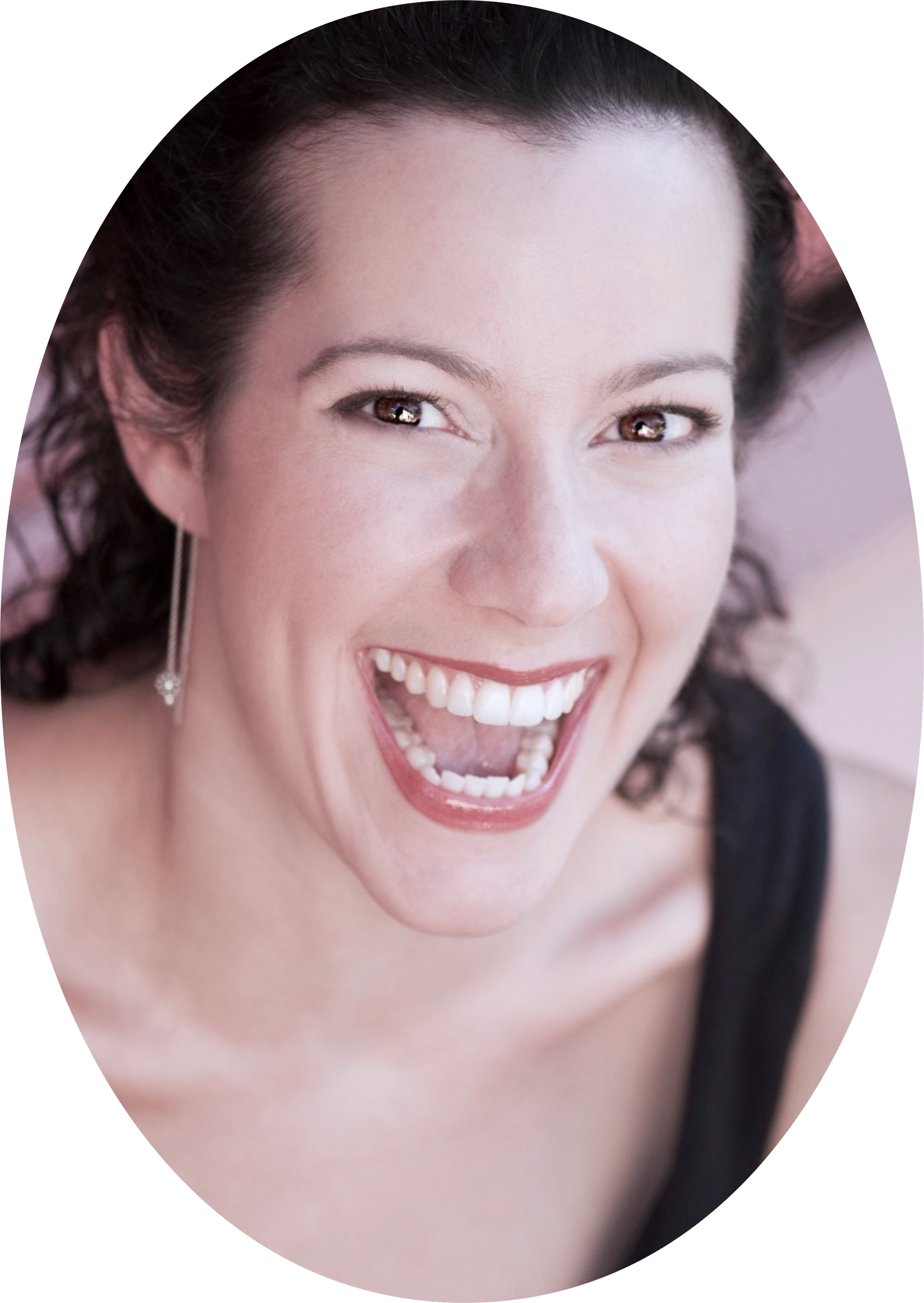
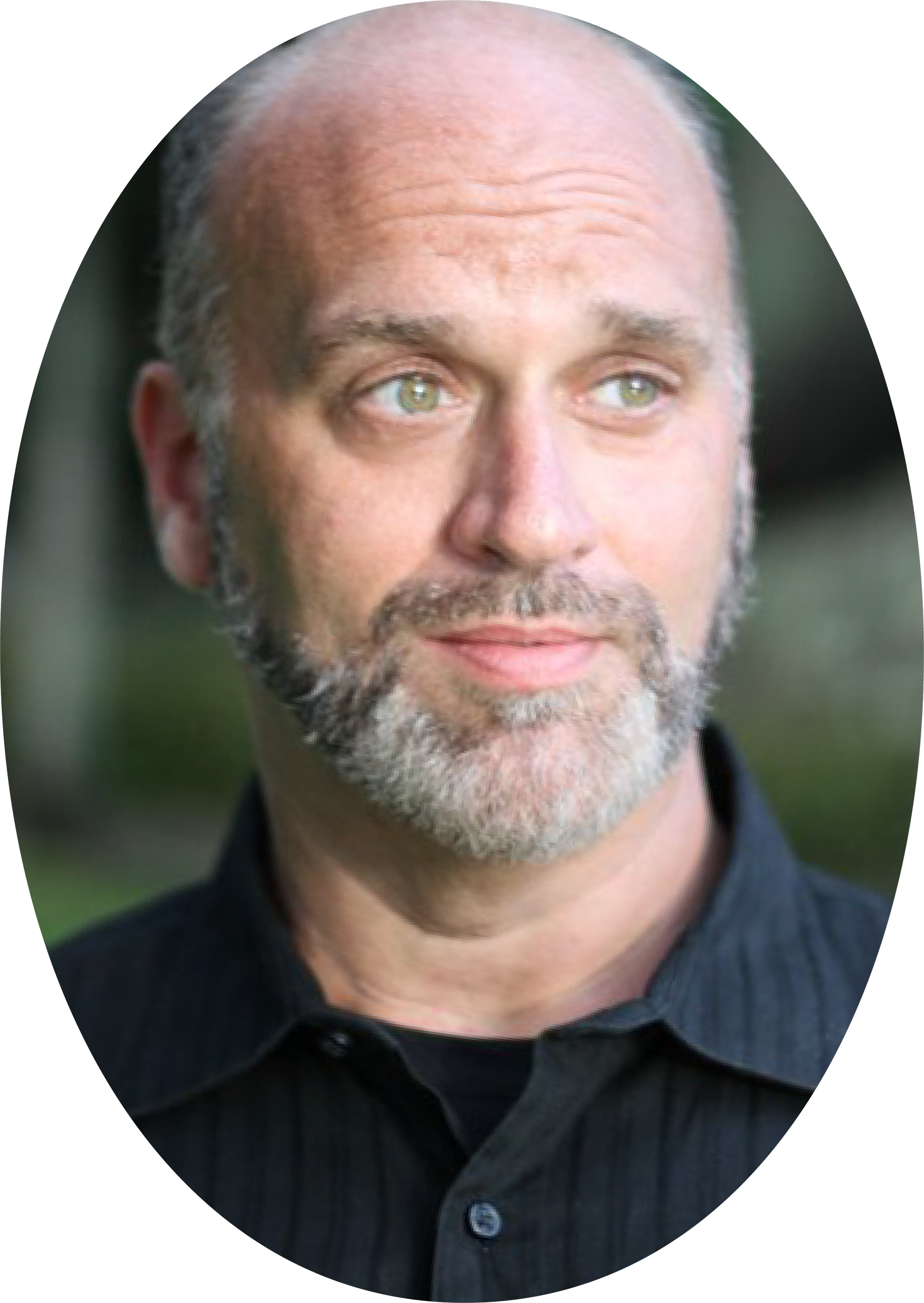
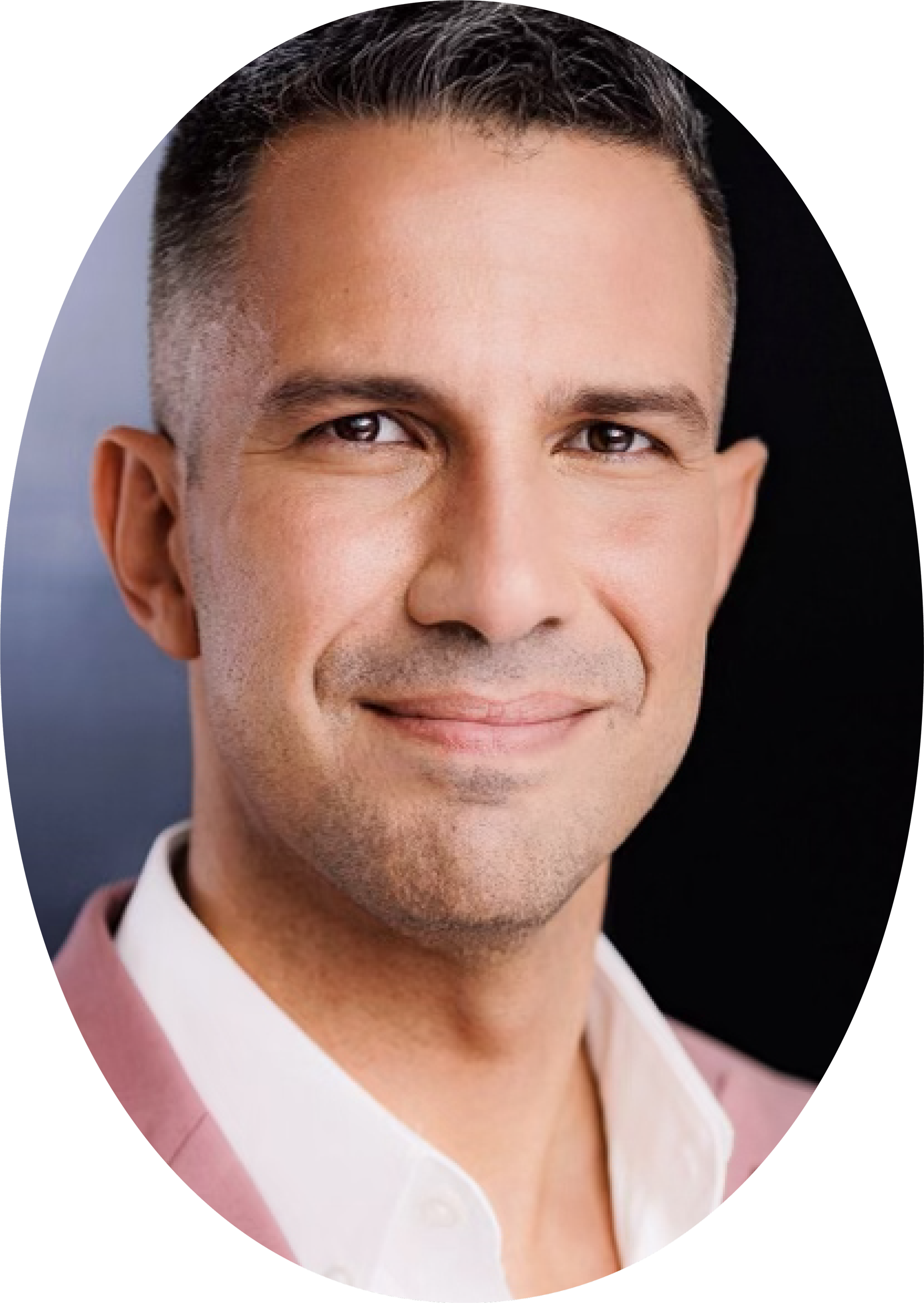
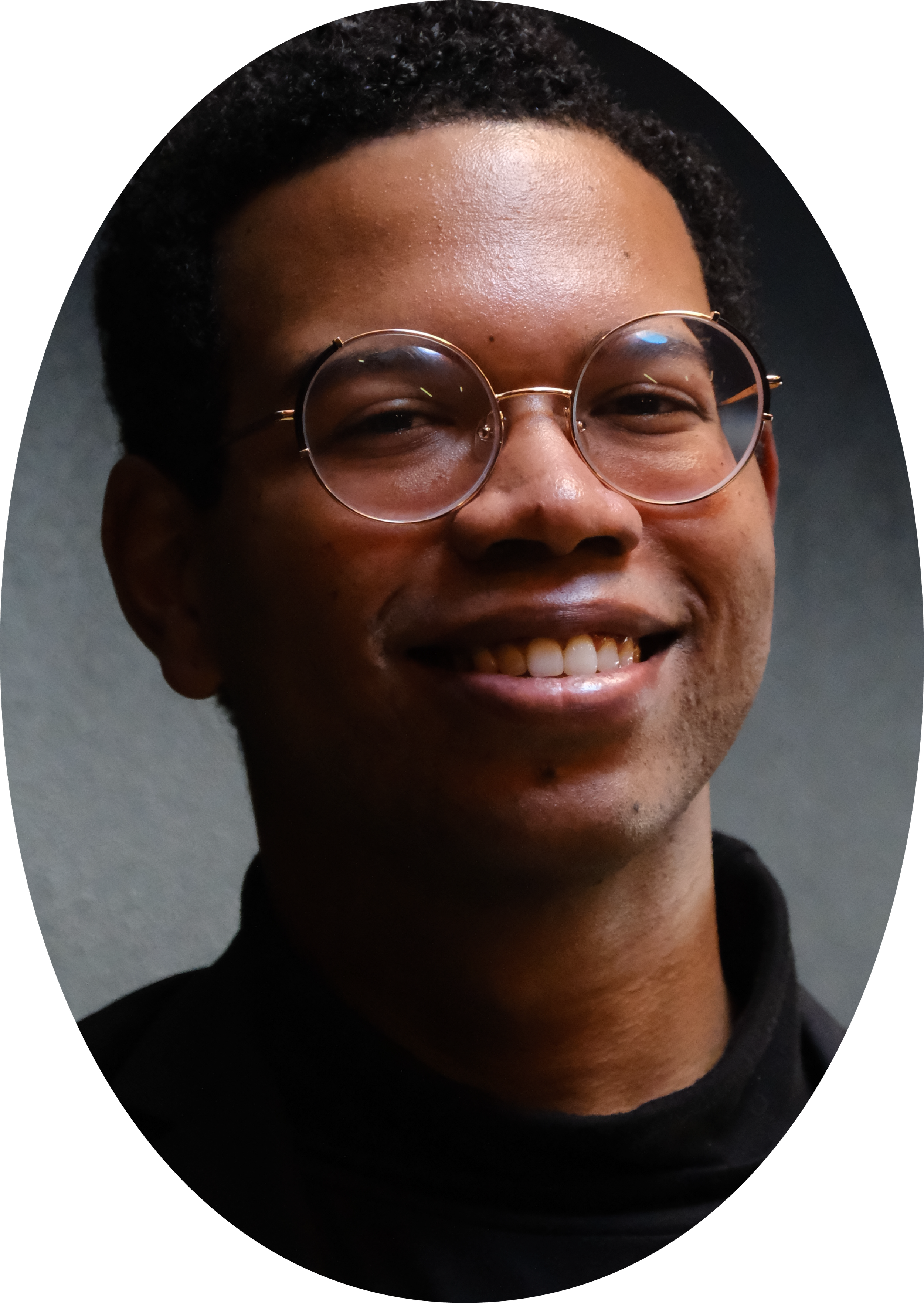
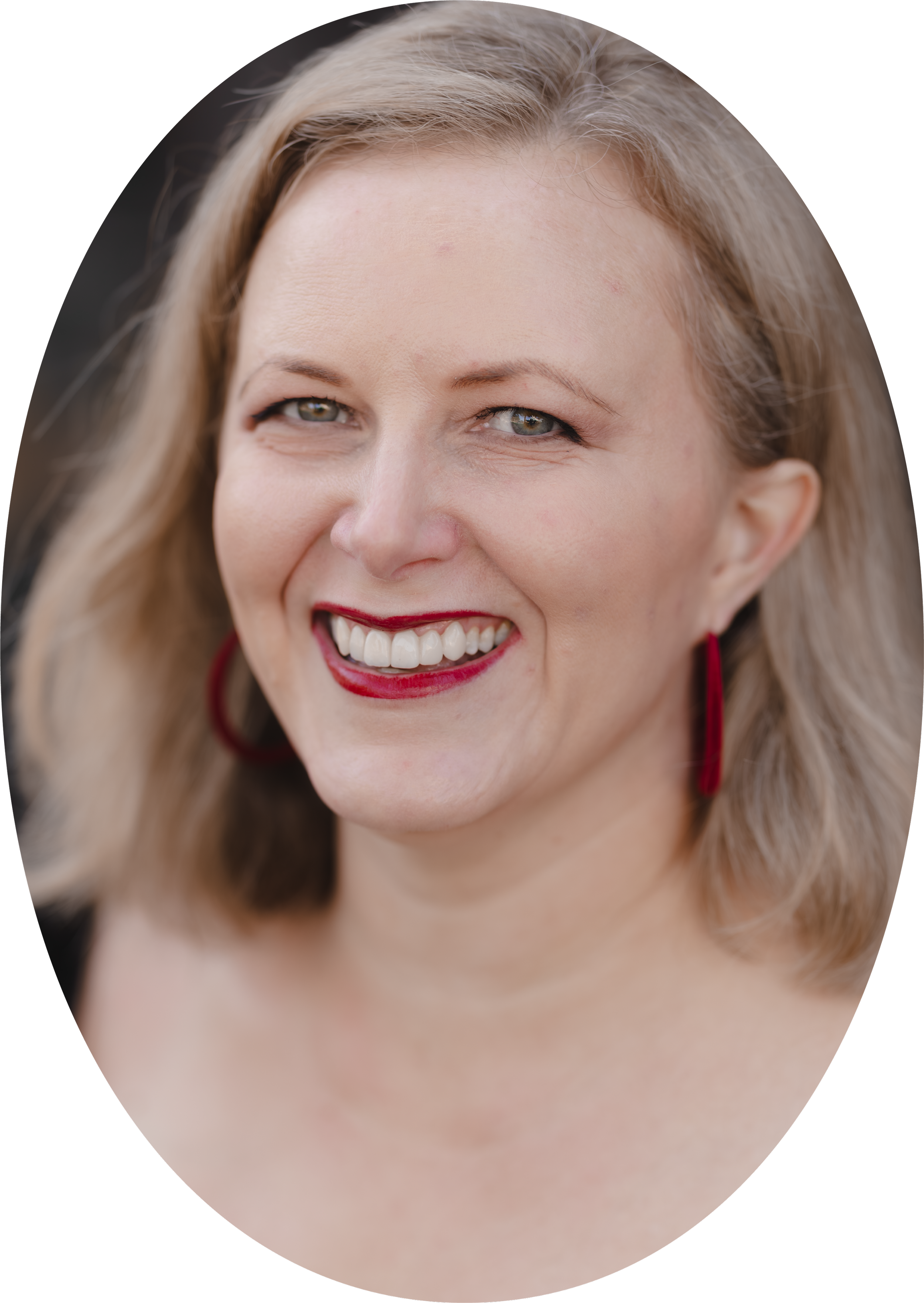
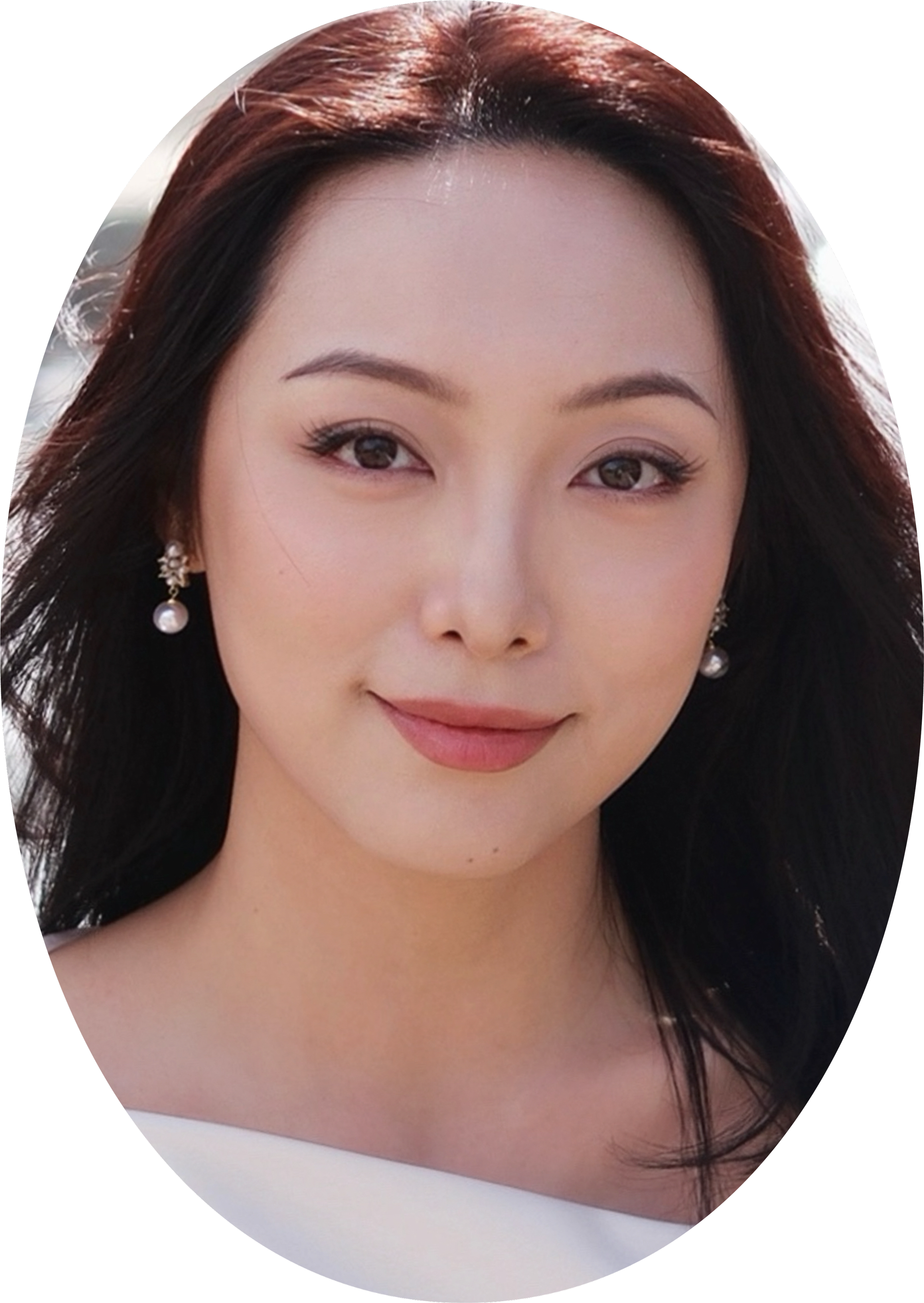
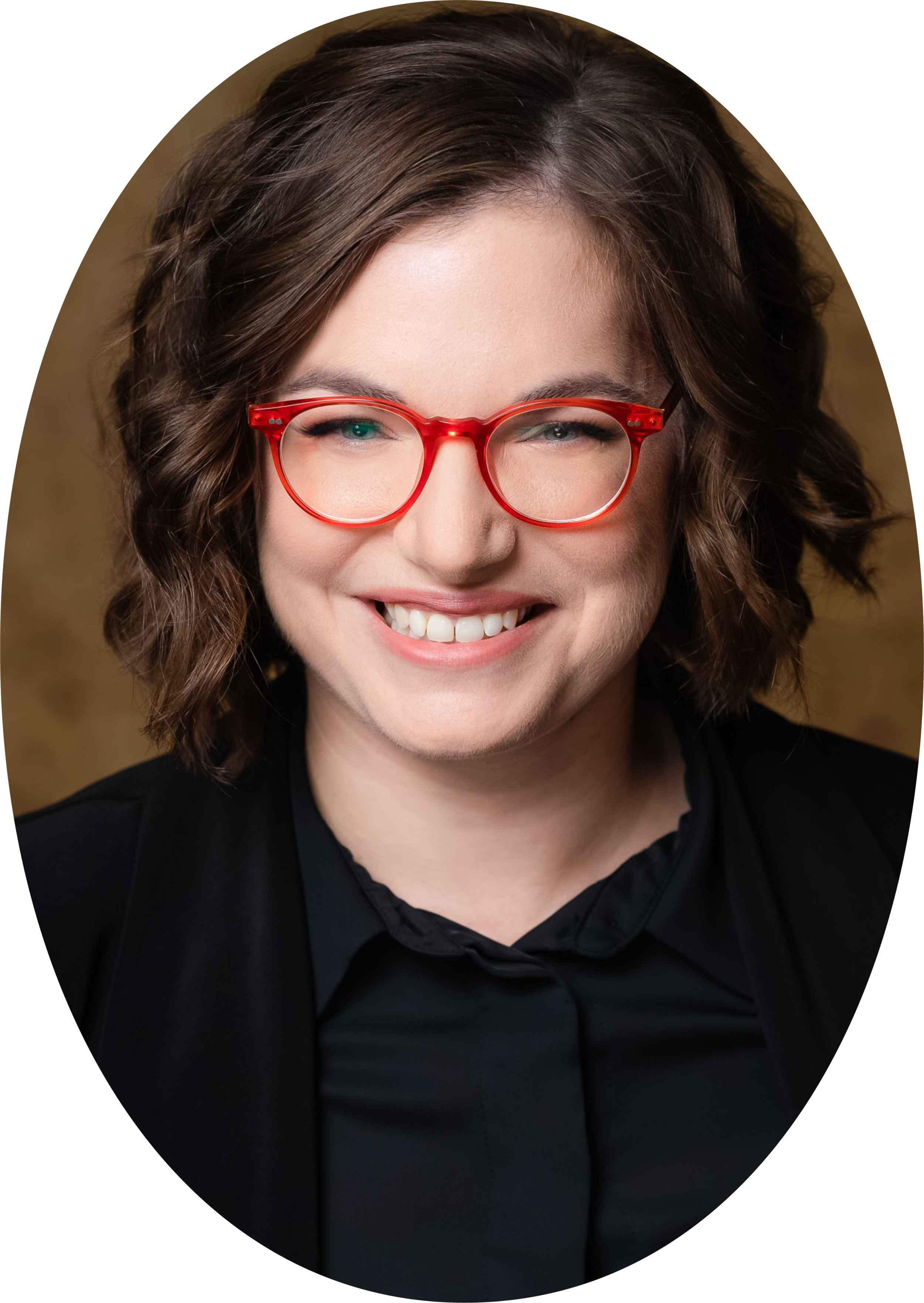
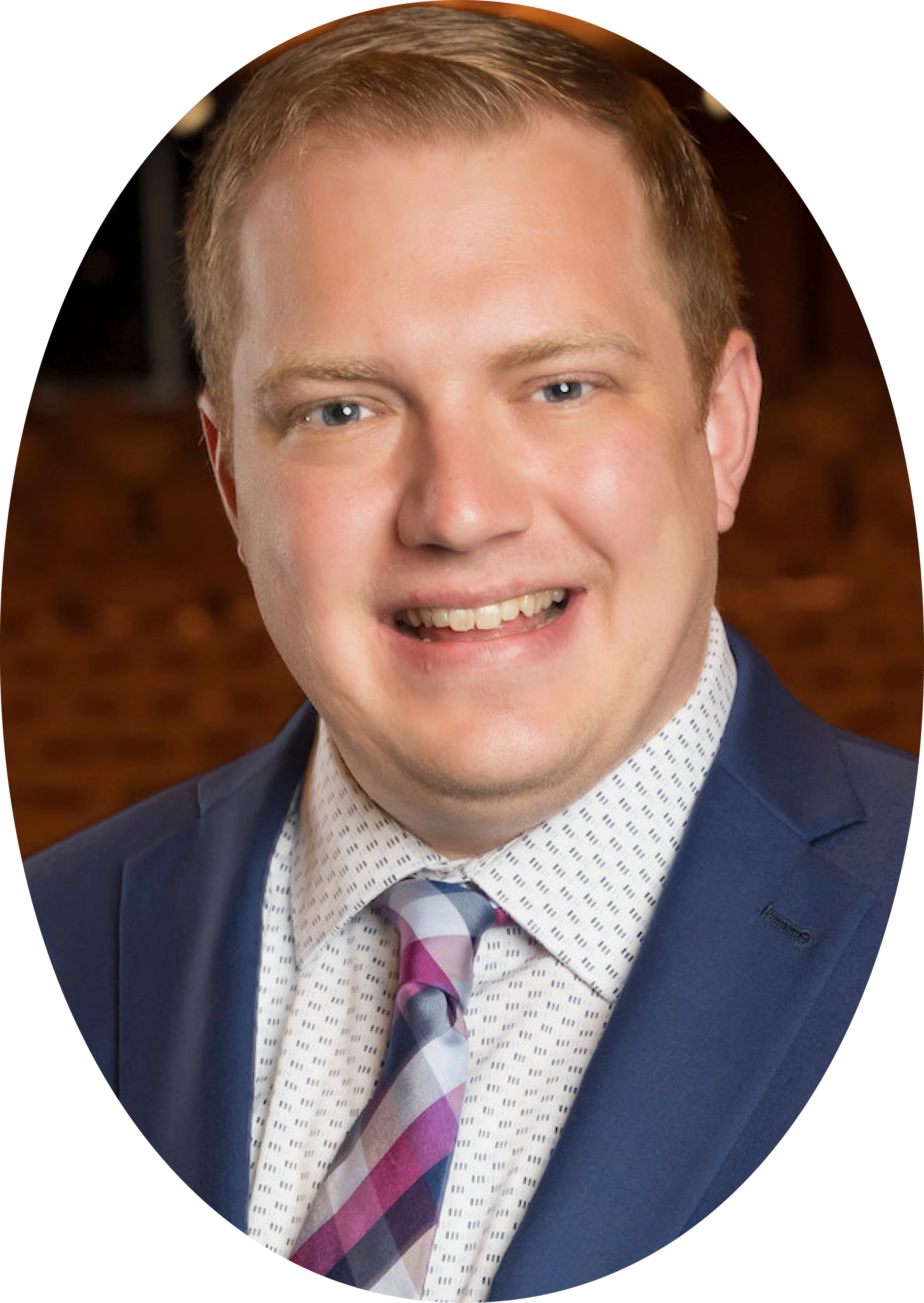
A star-studded cast is headlined by soprano Sarah Joy Miller, who was recently featured in the HBO series The Gilded Age. She sings the title role, joined by Grammy Award-winning baritone Gabriel Preisser as Count Danilo, baritone Andy Papas as Baron Zeta, soprano Alexandra Kzeski as Valencienne, and tenor Adrian Kramer as her lover, Camille.
The Merry Widow offers up genuine old world glamour, rom-com hijinks, catchy melodies, and even the can-can!
As the curtain rises, you will feel as if you are stepping into a grand, splendid celebration. Beautiful Hanna’s late husband has left her a very rich woman. In fact, she’s so rich that the economy of her homeland depends on her marrying a local — so the ambassador springs into action with the help of his wife (a former can-can girl) to find Hanna the right husband.
Unfortunately, it’s a tricky affair because the wily widow already has someone in mind: Count Danilo, an old flame, who has no intention of giving up bachelorhood. He’s got a bevy of beauties delighted to keep him happy with no strings attached. Rendezvous are rampant. Complications abound. Hanna ultimately gets her man as Lehár’s unforgettable tunes and waltzes trip happily along.

CAST
CREATIVE TEAM


the MERRY WIDOW changed everything
How a Viennese operetta invented modern show business
In 1905, a theater manager in Vienna took a chance on a composer nobody thought could pull it off. What happened next changed the entertainment industry forever.
Wilhelm Karczag, manager of the Theater an der Wien, had been searching for years for the right piece to produce. When librettists Viktor Léon and Leo Stein brought him a new operetta set in Paris, Karczag’s first choice as composer, Richard Heuberger, declined the project. Karczag’s secretary recommended offering the position to Franz Lehár instead, but there was quite a reluctance to make him an offer. Lehár was Viennese, and there were real doubts that he could write a truly Parisian score. To his credit, Karczag eventually agreed.
The premiere on December 30, 1905 was an immediate and overwhelming success. Within months The Merry Widow had spread across Europe, circling the globe in just two years. It was even performed simultaneously in multiple languages across Brazil. It arrived in New York at the New Amsterdam Theatre in 1907. It ran for over 400 performances on Broadway and has been continuously revived all over the world ever since.
The Merry Widow was a hit, but also an innovator.
A Show Merch Pioneer
Before The Merry Widow, the occasional hit show might sell a program or give away sheet music. After The Merry Widow, show business would never think about its audience the same way again.
Merchandisers seized on the production's popularity with an enthusiasm that would feel completely familiar today, think Wicked or Hamilton. Merry Widow hats appeared in shop windows. There were stunning and enormous creations with eighteen-inch brims, extravagantly decorated with lace and feathers, requiring large hatpins just to stay on. But that wasn’t all. There were Merry Widow cigars, Merry Widow corsets, Merry Widow chocolates, liqueurs…there was even a cocktail, that remains one of the more sophisticated things the entertainment industry has ever produced!
The Merry Widow:
1½ oz. dry gin
1½ oz. French vermouth
1 dash bitters
2 dashes absinthe
2 dashes Bénédictine
Stir with ice, strain into a chilled glass, garnish with a lemon twist.
Inspired by the Lana Turner film adaptation, the Merry Widow corset, which is perhaps the most enduring of the merchandise, didn't arrive until 1952. It was the first corset designed with flexible fabric, offering an hourglass silhouette beneath strapless fashions without sacrificing comfort. It outlasted the show that inspired it by decades.
The tradition of show-based merchandise — the thing that fills theater gift shops and Times Square storefronts today — finds its origin here, in an operetta that was too Viennese to write a Parisian score and did it anyway.
An Operetta Without Borders
The Merry Widow has never really stopped. It has been performed in opera houses and Broadway theaters, in concert halls and found spaces, by opera singers and musical theater stars—often in the same production. The Metropolitan Opera's 2014 production featured Broadway star Kelli O'Hara as Valencienne alongside Renée Fleming as the widow Glawari. The piece has always belonged to both worlds because it is equally grand in each.
Opera Orlando's new production brings The Merry Widow to Steinmetz Hall at Dr. Phillips Center with soprano Sarah Joy Miller, known to television audiences from HBO's The Gilded Age and to opera and theater audiences from stages across the country, in the title role. She is joined by Grammy Award-winning baritone Gabriel Preisser as Count Danilo, with dancers from Orlando Ballet and the Orlando Philharmonic Orchestra under conductor Noam Aviel.
Lehár's score with its waltzes, polonaises, and Vilja’s gorgeous melody, is as immediate and irresistible as it was the night a reluctant theater manager decided to take a chance on the wrong composer. The cultural impact of the operetta is indisputable, with its legacy of merchandise living as an essential part in our modern Broadway tradition.
Widows, waltzes, and whimsy!